IGNOU PGDHE (MESP105) PROJECT SYNOPSIS -
Guidelines: Step-by-Step Guide for Synopsis & Report
Preparation of Project Report
The length of the project report is contingent upon the theme of the chosen project. It is preferable for the project report to consist of approximately 80-100 pages, typed in double spacing. The report must be formatted on A4-sized paper.
Final Project Report must have the following:
- Cover Page – must have the Name and Enrolment No. of the Student and the Name of the Guide, along with the Title of the Project.

- Approved Proposal (i.e., Project Proposal, approved proforma and bio-data of the guide) properly bound in the project and not just stapled. Please note that project with stapled Proposal will not be accepted.
- Certificate of Originality– duly signed by the student and the guide with dates.

Acknowledgment
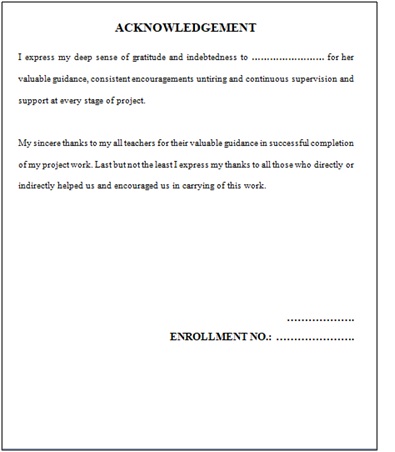
Declaration

Preface
The preface usually includes a brief statement of the purpose and scope of the report. It should also include thank for those who gave the researcher substantial guidance or help in the completion of the project work. If the researcher has little to say about the contribution of her/his research project, the preface can easily be omitted. In such situation, the page should be labeled Acknowledgements rather than ‘preface’. Acknowledgements should be brief and simple. A long list of effusive acknowledgements full of flattery is not in good taste. The brief statement of acknowledgement should sincerely recognise the persons and institutions to whom the researcher is indebted for providing academic guidance, administrative support and facilities.
Table of contents
The table of contents include the major divisions of the report; the introduction, the chapters with their subsections, the bibliography and the appendix, along with the page numbers. The preface or acknowledgements, list of tables and list of figures are also entered in the table of contents.
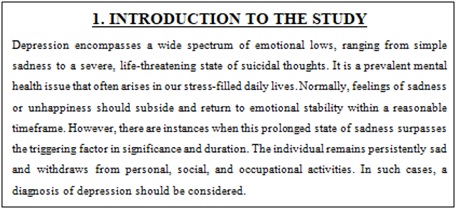
1. Introduction:
The introduction of a research report should be lucid, complete and concise. It should introduce the research problem in proper context, and arouse and stimulate the reader’s interest. In the introduction section the researcher defines, analyses, state the nature of the problem with research objectives. She/he also reviews the related studies so as to provide a rationale for the formulation of hypothesis(es). The introduction also includes the significance of the problem and the need for undertaking the research project. After reviewing the background of the problem, its scope and delimitations, the researcher presents the hypothesis (es) assumptions and operational definitions of the terms.
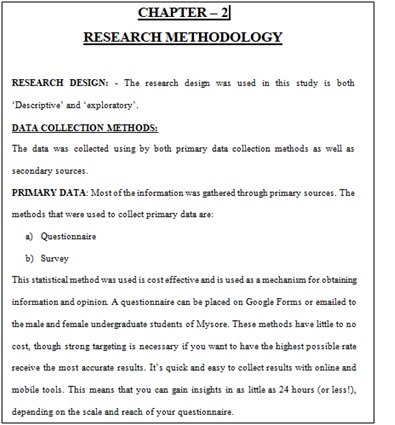
2.Research Methodology:
This section explains the design of the study in detail. It includes a detailed description about the method which was used in the conduct of the study, type of the data needed for the study, the tools and techniques used for their collection, and the procedure by which they have been collected. The details about the nature of the population, the size of sample(s), the method of sampling, tools, procedure of data collection, quantitative (statistical) and qualitative data analysis methods to be employed and reasons for selecting such methods, and how data will be organised and presented for analysis and interpretation, are also provided in this section.
3. Analysis and interpretation of the data: This section is the heart of the research report. The data analysis and interpretation may either be presented in separate chapters or may be integrated and presented in one chapter. The data are presented in table and figures accompanied by textual discussion. Tables which are complex and lengthy should be placed in appendix, otherwise the continuity of textual discussion gets broken. In the textual discussion the report shouid not repeat all the detailed information that is provided in tables and figures. It should only point out important facts and relationship to give meaning to the data and make certain generalisations about the data. Any weakness or limitations in the study pertaining to the research design, tools, or population that have come to light during the completion of the project work should be reported frankly alongwith the manner in which factors may have affected the findings of the study.
4. Summary and Conclusion
5. Reference/Bibliography (Vancouver reference style)
6. Annexure/Appendices (Questionnaire used etc.)